
High-Quality
Edging Stone
DeezRocks carries hand-selected edging stone for garden beds, walkways, and landscape borders for homeowners and commercial properties across Eastern Washington and Northern Idaho.
What Edging Stone Is Used For
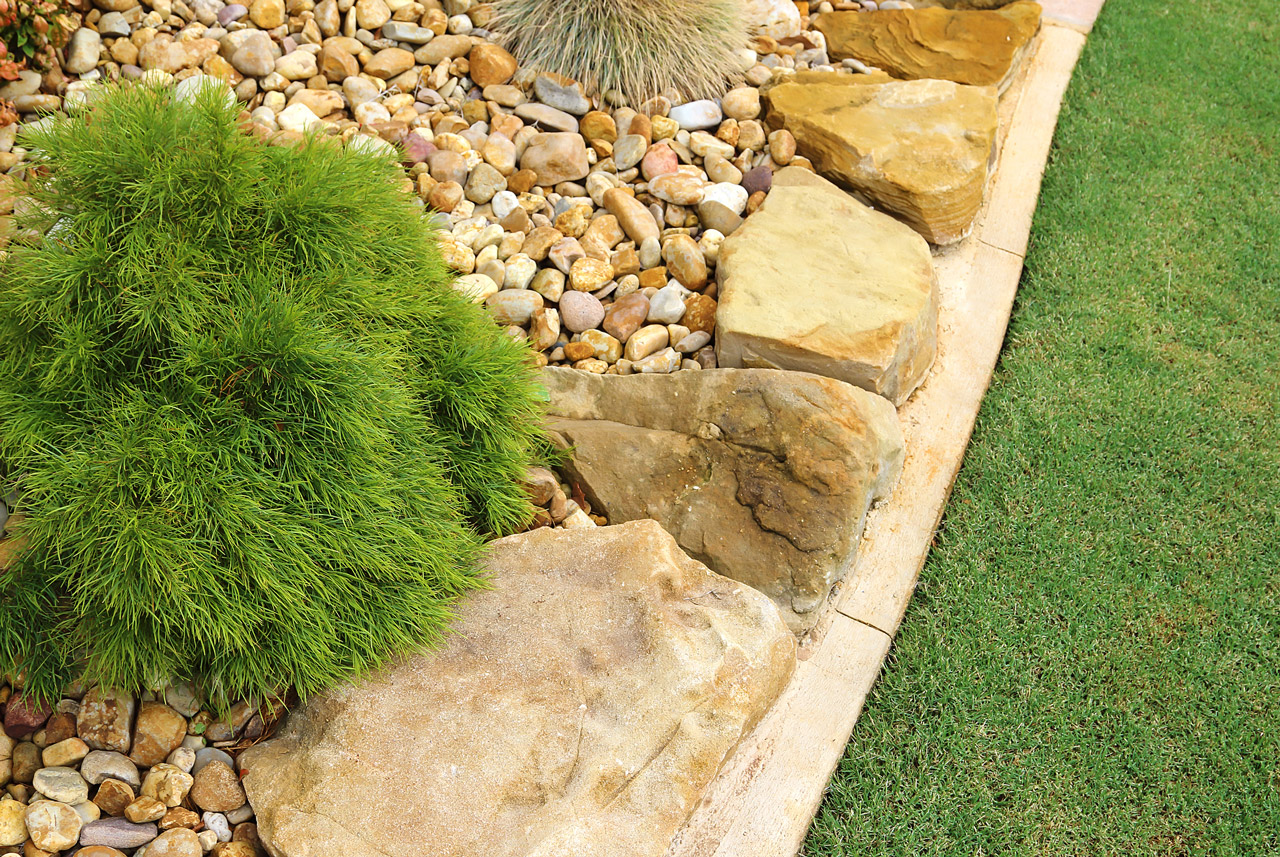
Over time, most yards and landscaped areas start to lose their lines. Grass spreads into flower beds, gravel shifts out of place, and mulch slowly moves where it is not supposed to be.
Edging stone fixes that by giving everything a clear boundary. It keeps materials where they belong and brings definition back to the space, so it looks organized and stays that way.
Garden Bed Borders
Walkways & Paths
Patio & Hardscape Borders
Driveway Edges & Property Lines
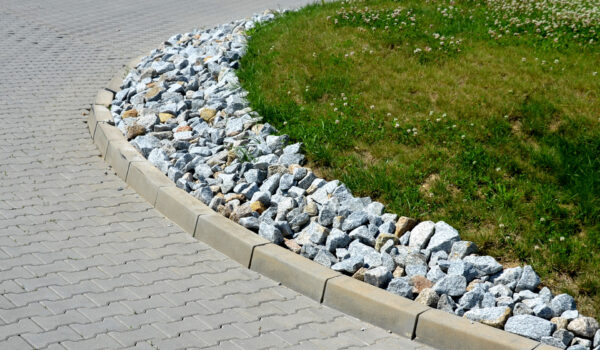
Edging Stone Materials at DeezRocks
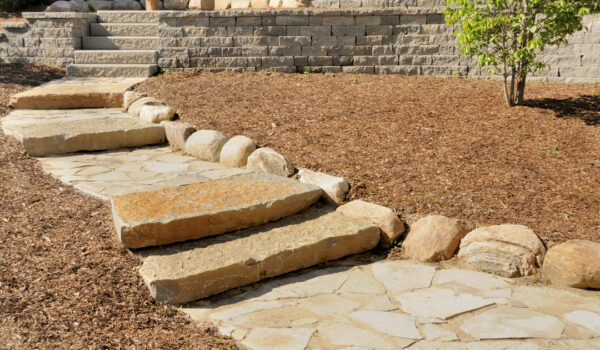
Cut stone has straight edges and a uniform look. It works best when you want clean lines and a more structured layout. Common uses include walkways, driveways, and organized garden designs.
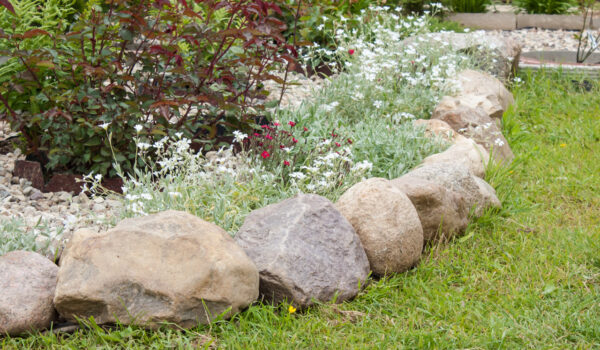
Natural stone keeps its irregular shape, which gives the landscape a softer, more organic feel. Each piece is slightly different, which helps the border blend into planting areas and outdoor spaces.
Cobble is smaller and rounded, which creates a softer edge. It works well for curved layouts and areas where you want the transition between spaces to feel more relaxed.
Granite is used where strength matters most. It stays stable under pressure and holds its shape over time.
FREQUENTLY ASKED QUESTIONS
Plastic edging, wood borders, and loose transitions are common starting points in many landscapes. Over time, they tend to shift, rot, or get buried and stop doing their job.
Stone holds its position once it is set. It creates a clear edge that stays put and blends into the landscape instead of looking like something added on top.
Most edging stone is installed by setting it into a shallow trench. The base is compacted so the stone sits firmly and does not shift over time. Once placed, soil or gravel is packed around it to lock it in position.
Some projects use mortar for added stability or a more formal finish, but many edging applications are set dry depending on the look and function.
It creates a defined border between different parts of a landscape and keeps materials like mulch, soil, and gravel in place.
Granite works best where strength is important. Natural fieldstone and cobble are better for softer, more natural designs.
Not always. Many edging projects are set directly into a compacted base without mortar.
Yes. Heavier stone is often used along driveway edges because it holds up under pressure.
It depends on the total length of the area you are edging. Bring measurements, and the team can help calculate quantities based on stone size and layout.
Visit DeezRocks
Edging stone looks different in person than it does on a screen. Color, texture, and size all change once you see it in real light.
Walk the yard, compare options, and choose what fits your project.